
Wageningen University & Research (WUR)
researchgroup

Rewilding
The artproject WildMarsh builds on the Wildmarsh research conducted by Wageningen University and the NIOZ, in collaboration with Pollif Projects. The research explores the climateresilience of grazed and ungrazed salt marshes, such as the Verdronken Land van Saeftinghe by implementing the rewilding method.
Rewilding is about once again recognising a natural process. By letting go,we allow a landscape to emerge that we cannot fully predict in advance, but one thatinvites new connections and resilience. This process applies not only to the landscape, but also to the people who inhabit it.
How can we make space for this process in all its facets? Art can help us do so.
That is why Pollif Projects, in collaboration with local residents and visitors, aims tocreate a space where you are welcome to explore your own process of change. An in-between space, much like the salt marsh itself, where you can search for meaning.
Within the process of vergetijen (rewilding), we distinguish three symbolic phases:
Change means saying goodbye to what was familiar: landscapes, traditions and ways oflife. This brings emotions such as sadness, frustration and remembrance.
Rewilding calls for waiting, observing and resisting the urge to intervene immediately. Developing trust in natural processes is central to this phase.
The landscape has changed. How does it affect you now? What unexpected featureshave emerged, and how might they acquire new personal and symbolic meaning?
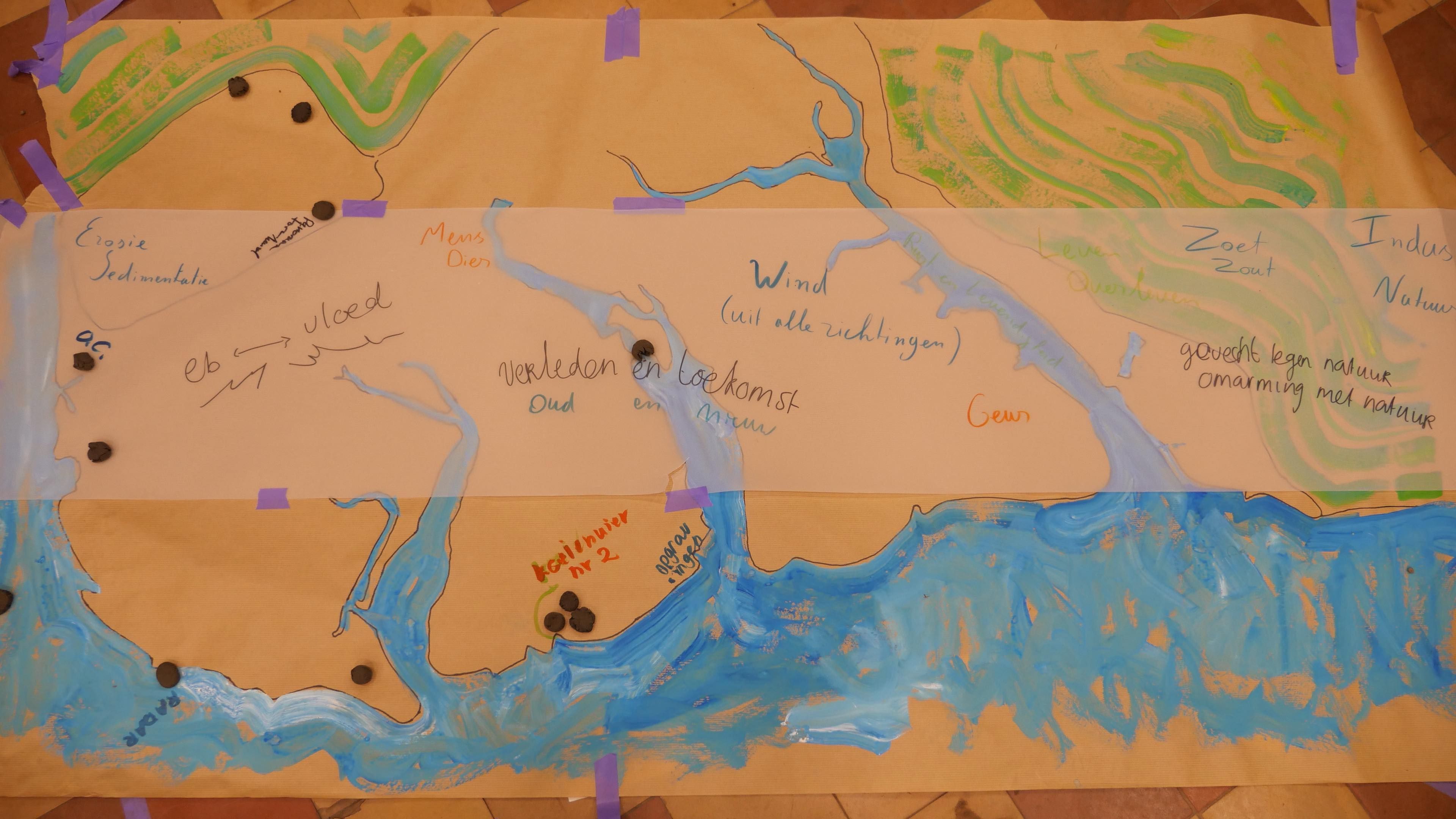
The in-between
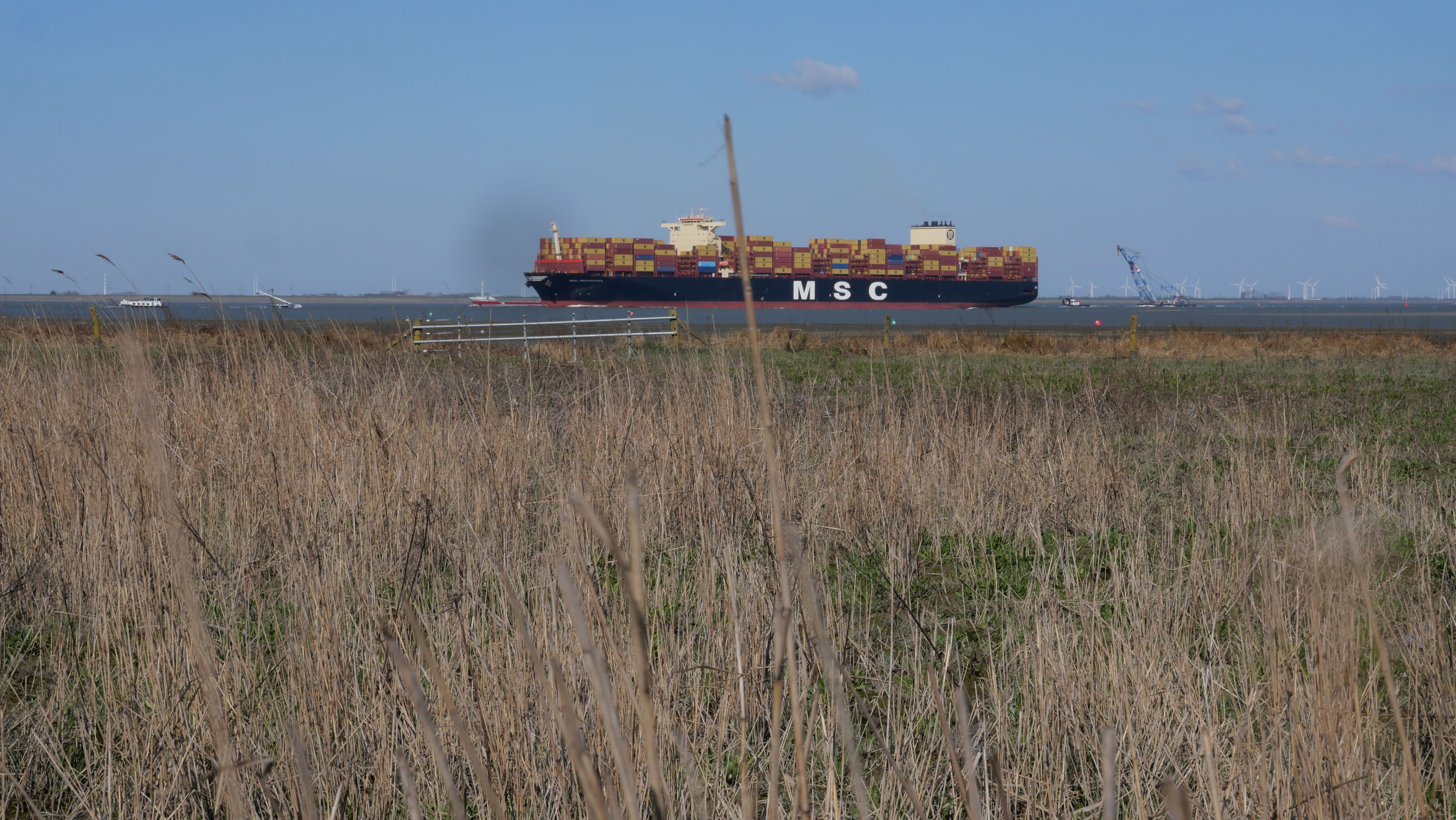
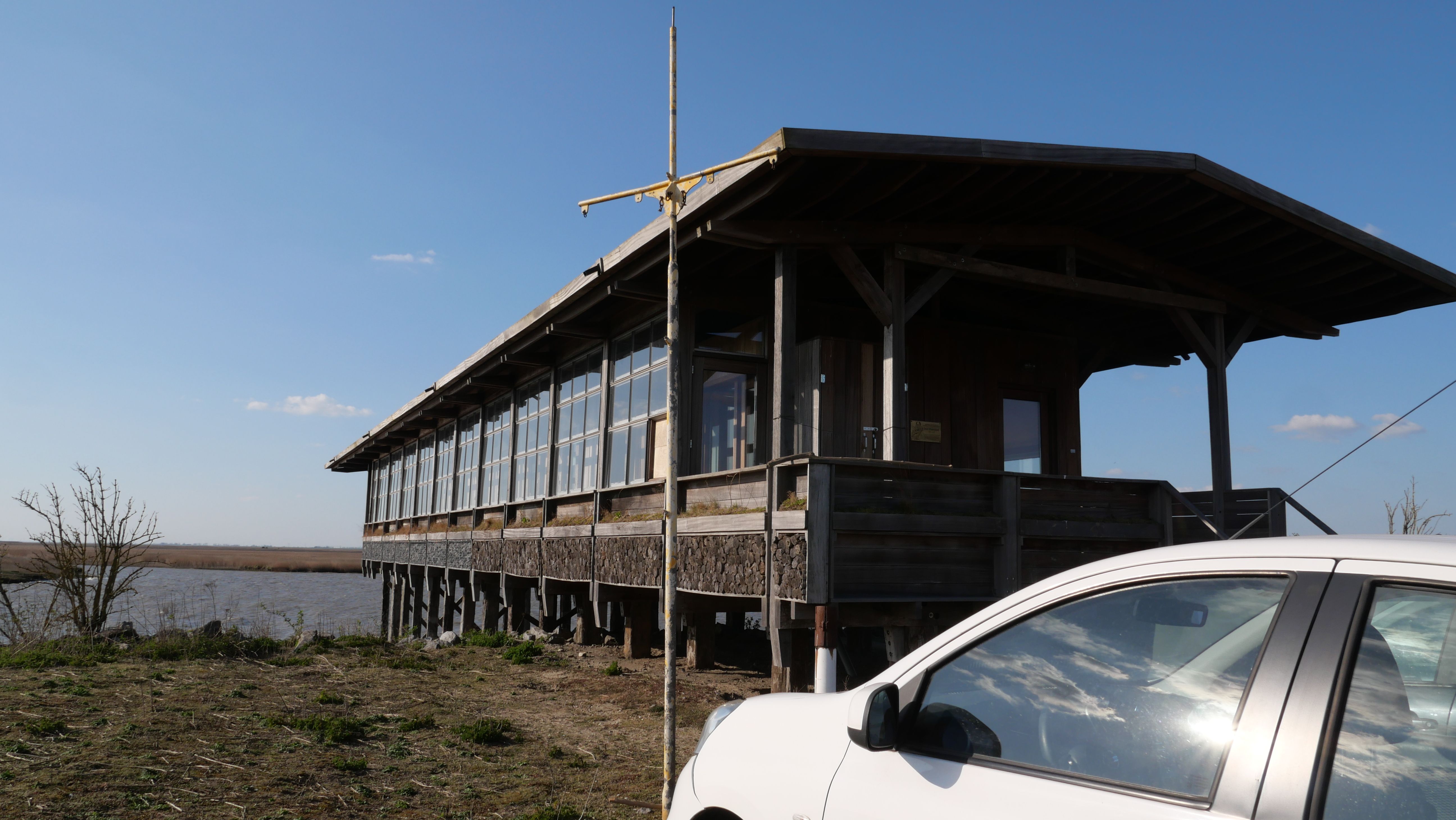
Soon, we will find ourselves on the panoramic hill, looking out over a landscape full of contrasts: nature, harbour, agriculture, birds, a nuclear power plant and new wilderness. A place where the complexity of the relationship between humans and nature becomes visible. How does it feel to stand there? Is there also room for our own personal process?
Pollif is working on creating a sensory space where visitors can reflect on the symbolism of the landscape and the changes it undergoes. In 2027, Pollif will work on developing this sensory space, transforming the in-between space into a place through the use of new and old metaphorical and sensory symbols.

researchgroup

researchgroup

artist

artist
